
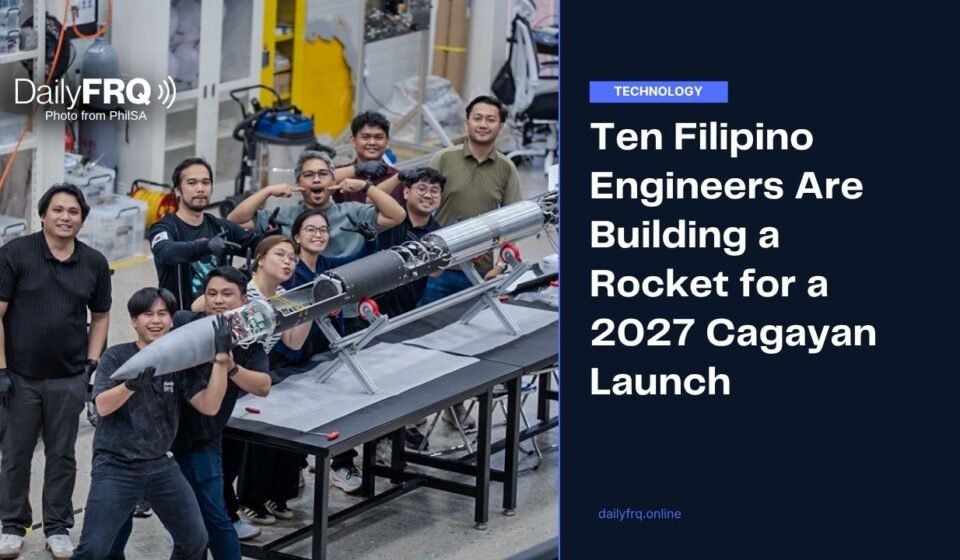
Ten Filipino Engineers Are Building a Rocket for a 2027 Cagayan Launch
A ten-member team from the Philippine Space Agency is spending three months in South Korea learning how to build a rocket. The training runs from August to October 2026. It is preparation for a planned test launch in Lal-lo, Cagayan, in 2027.
The Training Ground
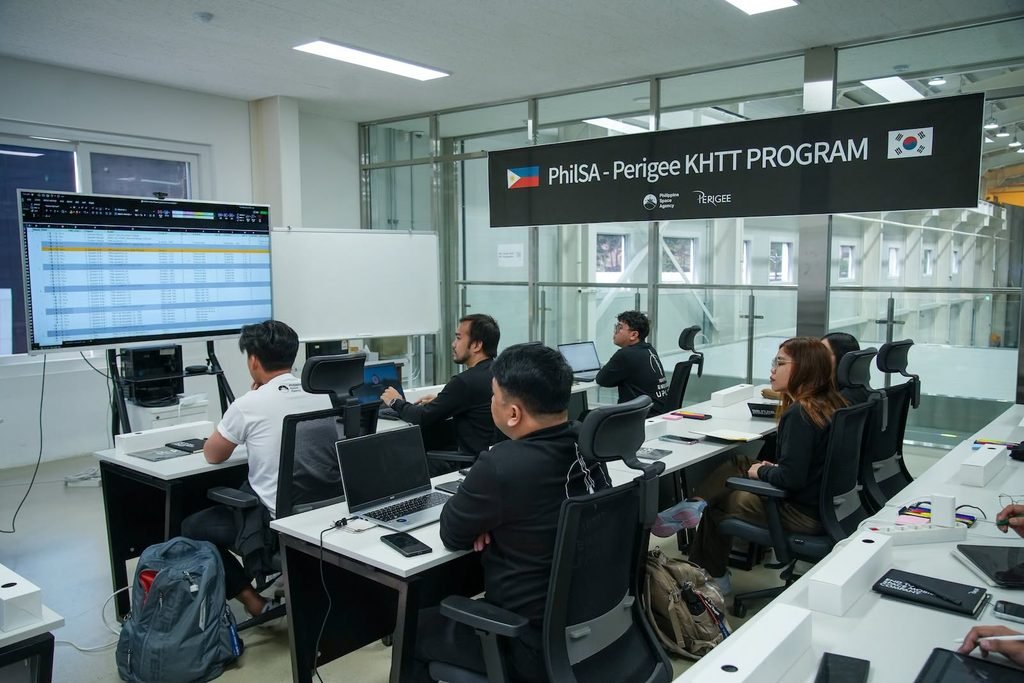
PhilSA is running this program with Perigee Aerospace Inc., a South Korean space mobility company. The two organizations have worked together since 2022. This session builds on a first training phase in 2025.
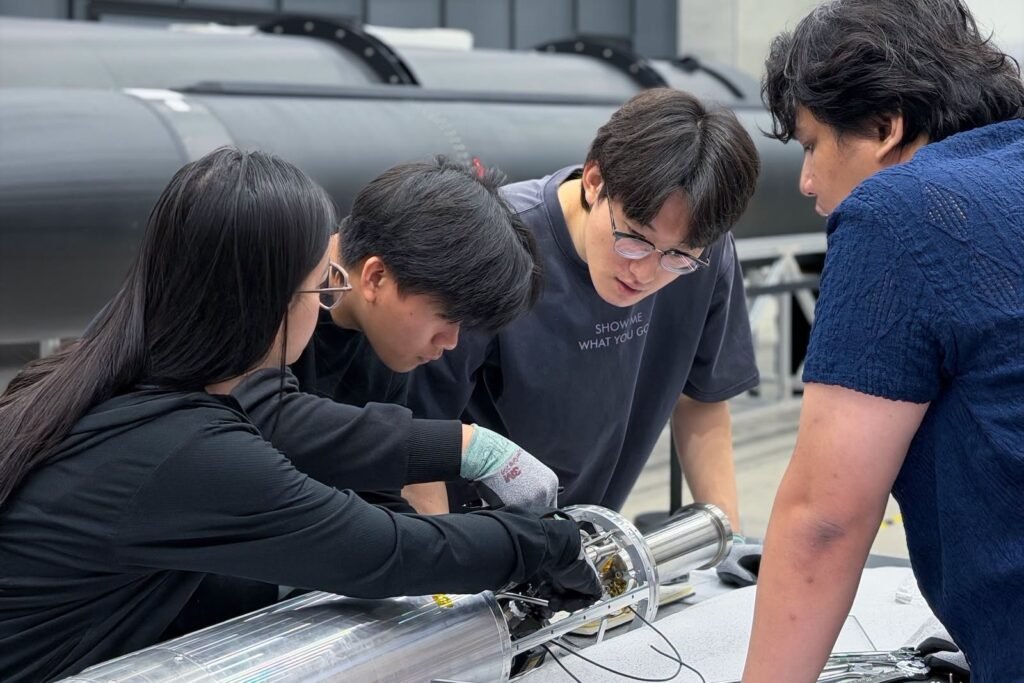
The team is covering full system assembly, integration, and testing of a liquid-fueled sounding rocket. They are also preparing for the operational side: launch procedures, safety protocols, and the support work a real test launch requires.
Why Cagayan
President Ferdinand Marcos Jr. named Cagayan during his fifth State of the Nation Address. He called it “geographically and economically primed,” a possible gateway to space for the country.
The province already has some of what a launch needs. Cagayan North International Airport provides existing infrastructure. The Cagayan Economic Zone Authority adds an institutional and economic zone framework on top of that. PhilSA and CEZA are preparing the launch site now and talking with local governments and residents in the area.
What Gets Built
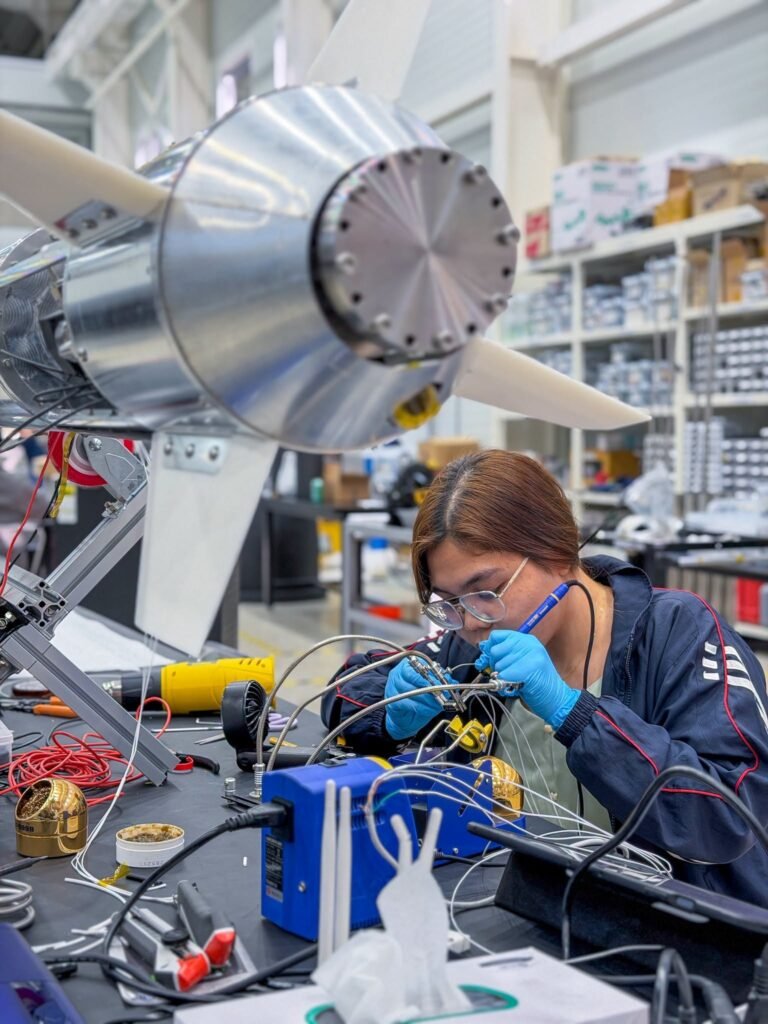
This work falls under PhilSA’s SIKLAB program, short for Building Industrial Space Launch Systems Project. The planned rocket will carry a locally developed payload, roughly 2 kilograms, to an altitude of at least 5 kilometers.
The rocket itself is the Blue Whale 0.1 (BW0.1), a liquid-propellant sounding rocket platform built by Perigee. PhilSA named the platform directly in its own release.
What It’s For
PhilSA Acting Director General Gay Jane Perez said a successful test would prove out the country’s technical, operational, safety, and regulatory foundations for future launches. She added that it could draw investment from private aerospace companies.
The bigger goal sits behind the single launch. A country that can build, test, and fly its own rockets does not have to depend on outside launch providers to get satellites into orbit.