

Why Long Weekends Rarely Deliver the Rest They Promise
A long weekend gets treated like a reward. Extra time off, no meetings, a chance to catch a breath after a stretch of work that finally let up. Most people spend the days before it picturing what they’ll do with the extra time, imagining themselves sleeping in, slowing down, maybe finally getting to something that’s been sitting untouched for weeks.
The problem is that resting takes more than free time. It takes a plan, and most people arrive at the weekend without one, expecting the days themselves to somehow do the work of resetting them.
Where the Extra Day Really Goes
The extra day usually goes to paying off guilt rather than resting. Errands that piled up during the week get done, a few items on the to-do list finally get crossed off, and the small tasks that got pushed back simply because there wasn’t time for them before get picked up again now that there’s time.
In the moment, none of it looks like a problem. Getting the laundry done, replying to the messages that piled up, running the errands that kept getting bumped all feels productive. It’s still not rest. It’s catching up on the backlog that a normal week never had room for, using the one stretch of time that was supposed to be free of exactly that kind of obligation.
By the time the day is over, the guilt has been paid down, but the tiredness is still there. The person ends the long weekend having done more than they planned to and just as worn out as they started.

The Choice Nobody Makes in Time
Staying home for the whole weekend isn’t usually a choice somebody makes on purpose. It’s the choice nobody made in time. Somewhere around Thursday, a version of the weekend still existed where something else happened: a trip, a day out, a plan with people who haven’t been seen in a while. By Friday evening, that version is gone, and staying home is what’s left.
This comes down to the specific kind of exhaustion that builds across a work week, the kind that makes even good ideas feel like too much effort by the time there’s actually room to act on them. By Friday, deciding to do something else takes more energy than most people have left to spend.

When Nothing Becomes the Default
Prices go up on anything worth booking, from a hotel room to a table at the one restaurant everybody wants to try. Figuring out logistics for a trip, a day out, or even a simple plan with friends takes mental effort most people don’t have left by Friday afternoon, after a week that already asked for most of it.
Enough of that friction adds up, and doing nothing ends up as the outcome, even though nobody set out to spend the weekend that way. It’s simply what’s left once every other option asked for more energy than there was to give it.
Interruption, Not Extension
A long weekend is built to interrupt a routine, not extend it. The routine itself is usually what’s wearing someone down in the first place, running quietly in the background of every ordinary workday. A long weekend exists to break that pattern for a few days.
Filling the extra days with the same habits carries the routine straight through the time meant to interrupt it: waking at the usual hour, checking the usual notifications, running through the same mental list of things that need attention. The result is more of what wasn’t working, just with better weather outside the window and no meetings on the calendar to blame it on.
Resting Versus Scrolling
Resting actually recharges someone. It leaves a person with more energy at the end than they had at the start, whether that comes from sleep, movement, or time spent doing something other than work. Scrolling for three days doesn’t do that.
It delays the tiredness and pushes it into the following week, along with some eye strain and the sense that the time got wasted. The body stays still the whole time, which can make it feel like rest happened, but the body being still and a person actually recovering are two different things. Someone can spend seventy-two hours horizontal and still show up to work on Monday more depleted than when the weekend began, because nothing about lying still with a phone replenished anything.

The One Small Thing
One small thing, decided in advance, beats a vague plan to relax. “Relax” isn’t specific enough to survive an actual Friday evening, when the couch is right there and any plan that requires leaving it starts to feel unnecessary. A hike already researched or a day trip already mapped out doesn’t have that problem, because the decision has already been made. There’s nothing left to negotiate once the weekend actually starts.
The specificity is what makes a plan survive Friday-night exhaustion, when the couch is louder than any intention formed a week earlier and a vague hope to relax has nothing solid to hold onto.
Coming Back Different
The people who come back from a long weekend actually different, more rested, more clear-headed, genuinely changed by the days off, made one decision early: what they’d do with the days, before the days arrived.
That decision carried the weight the willpower never would have. By the time Friday-night exhaustion sets in, willpower is usually the first thing to go. A decision made earlier in the week, while there was still energy to make it, doesn’t depend on willpower showing up later. It’s already done. All that’s left is following through on something that was decided when deciding was still easy.
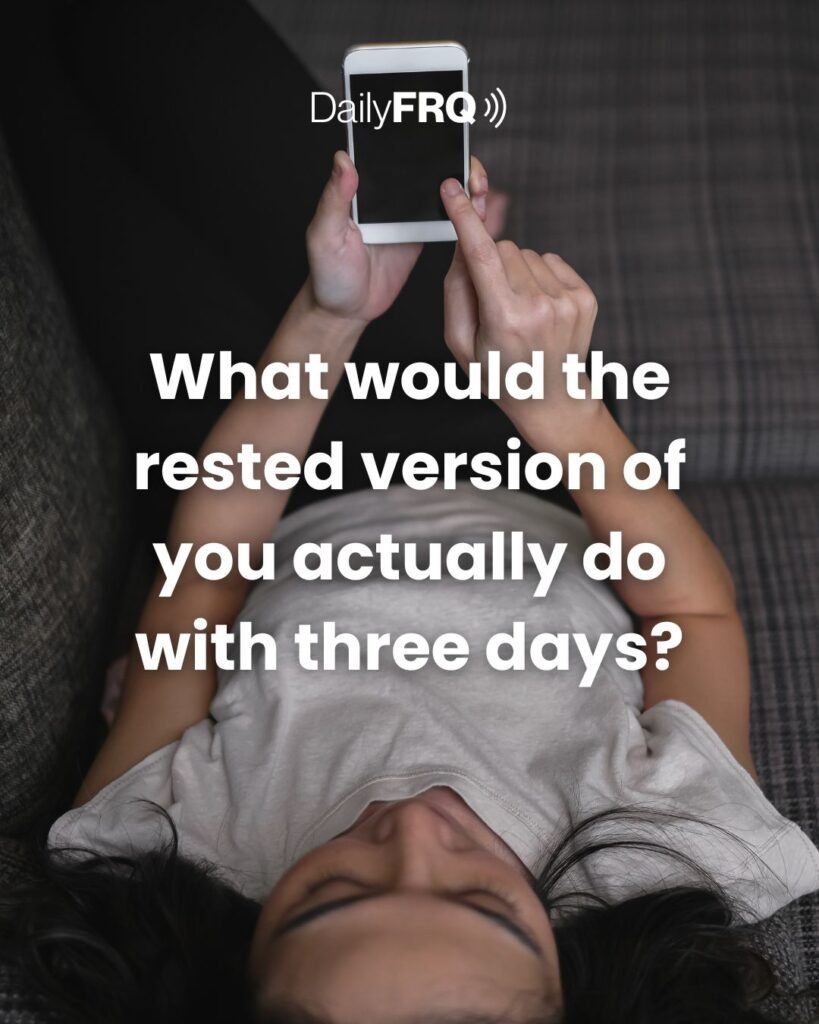
What Would Actually Happen
The rested version of anyone probably wouldn’t spend three days on a couch with a phone six inches from their face. That version has already pictured what a genuinely restful few days would look like, usually built around at least one thing worth doing.
The real question worth asking before the next long weekend hits: what would the rested version of you actually do with three free days, and is there enough time left to decide it before traffic, cost, and Friday-night fatigue decide it instead. The answer doesn’t have to be elaborate. It just has to be decided early enough to survive the version of Friday that shows up tired and wants the path of least resistance.